Minimalist Dressing, Indian Style – Layering Techniques for Confident Style
Minimalist Dressing, Indian Style – Layering Techniques for Confident Style
Minimalist dressing is a philosophy that emphasizes simplicity, purpose, and elegance. In an Indian context, it blends practical considerations with style, allowing men to create outfits that are versatile, refined, and striking without being excessive. One of the most effective ways to enhance a minimalist wardrobe is through thoughtful layering. Layering is not only practical in India’s diverse climates, but it also allows individuals to express personal style through subtle contrasts in texture, tone, and structure.
The foundation of minimalist dressing starts with selecting essential pieces that are flexible and timeless. Start with base garments such as well-fitted shirts or plain t-shirts in neutral shades like white, cream, grey, or soft beige. These items act as a canvas for layering, providing simplicity while supporting the overall composition of the outfit. Light and breathable fabrics are ideal, as they allow comfort in warmer months while accommodating additional layers when needed. A strong, simple base ensures that subsequent layers remain visually balanced and cohesive.
Once the foundation is established, the next step is adding mid-layers that provide structure and depth. Lightweight jackets, tailored overshirts, or unlined blazers work exceptionally well in urban Indian settings. These mid-layers not only provide visual interest but also serve practical purposes, adapting to fluctuating temperatures throughout the day. Opt for neutral tones or subtle contrasts to maintain a minimalist aesthetic, ensuring that each layer complements the others. Well-chosen mid-layers create a polished, composed look without appearing cluttered.
Texture plays a key role in minimalist layering. Combining fabrics like smooth cotton, soft linen, and light knits adds dimension while retaining simplicity. For example, pairing a cotton base layer with a linen overshirt creates a refined yet relaxed look. Subtle textural differences make each layer distinct while maintaining harmony. Choosing breathable fabrics ensures that layering remains comfortable, especially in India’s warm or humid environments, while preserving a sharp, modern appearance.
Color coordination is another crucial element. Stick to cohesive, understated palettes that reflect personal style without being overpowering. Neutral shades such as grey, beige, white, and earthy tones are versatile and easy to mix. Tonal layering—combining different shades of a single color—can produce a sophisticated, elegant effect. For instance, a soft grey t-shirt paired with a darker grey overshirt creates subtle contrast while maintaining a minimalist, structured look.
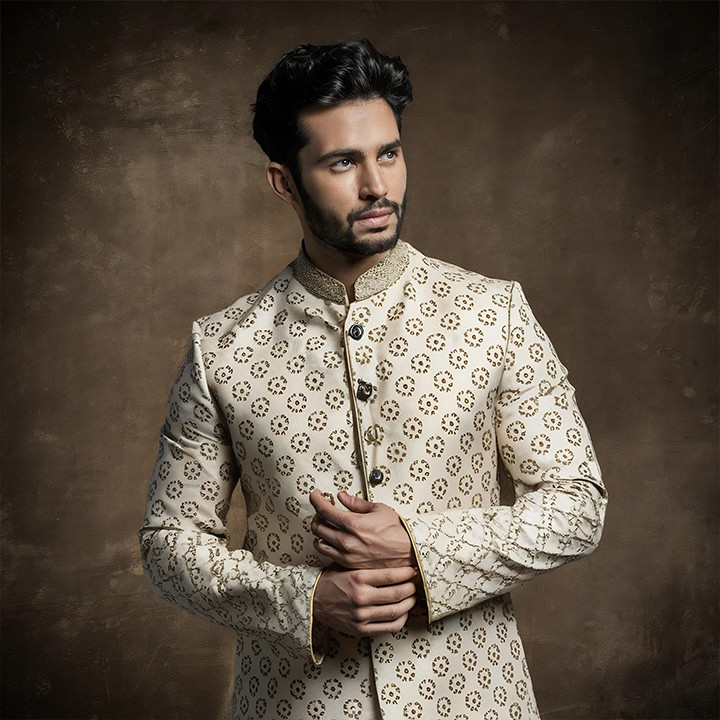
While minimalist dressing emphasizes restraint, incorporating a single standout layer can elevate an outfit. This could be a jacket or overshirt with refined stitching, subtle detailing, or a distinct fabric texture. One carefully chosen statement piece adds depth and interest without disrupting the overall simplicity. The goal is balance: each additional layer should enhance the outfit while remaining aligned with the principles of minimalism.
Proportions and fit are also critical. Ensure that each layer complements the others without adding unnecessary bulk. Slim or tailored fits work best for base and mid-layers, preserving clean lines and a sharp silhouette. Longer or structured layers can be introduced strategically to enhance the overall aesthetic. In India, where climates vary, these proportional considerations allow for adaptability while maintaining a modern, confident look.
Finally, confidence is the cornerstone of minimalist dressing. Layering should feel natural and effortless. Experiment with tones, textures, and lightweight layering to discover combinations that work for your personal style. Minimalist layering is not about rigid rules; it’s about understanding how pieces interact to create a cohesive, stylish, and functional wardrobe. With careful layering, men can achieve outfits that are versatile, practical, and visually compelling, projecting confidence in both casual and semi-formal settings.
In conclusion, minimalist dressing in India emphasizes simplicity, adaptability, and subtle sophistication. Thoughtful layering enhances functionality, provides visual interest, and maintains a refined silhouette. By starting with quality base pieces, adding textured and tonal mid-layers, and introducing a single statement garment, men can create ensembles that are elegant, versatile, and comfortable. Layering is both a practical solution for varying climates and a powerful tool for expressing personal style while adhering to the understated principles of minimalism.